

Uganda Car Rental: 9 Photos to Take Before You Drive Off
Uganda Car Rental: 9 Photos to Take Before You Drive Off, Renting a car in Uganda gives you the freedom to explore the country at your own pace. Instead of following a fixed tour schedule, you can decide when to leave Kampala, where to stop for lunch, how long to spend around Lake Bunyonyi, or when to continue toward Bwindi, Queen Elizabeth National Park, Murchison Falls, or Kidepo Valley.
But there is one small step that many travellers rush through: the vehicle inspection before driving away.
 Whether you are booking a cheap Uganda self drive car, a Toyota RAV4, a Land Cruiser, or a fully equipped 4×4 safari vehicle, taking a few minutes to photograph the vehicle can save you unnecessary stress later. Photos create a simple record of the car’s condition at the beginning of your rental and can help clarify questions about existing damage, fuel, mileage, or equipment.
A proper inspection is especially important for a self-drive safari in Uganda, where your journey may take you far beyond Kampala and onto gravel, dirt, and sometimes rough national park roads. Rental-car inspection guidance commonly recommends documenting existing damage, checking the vehicle’s equipment, and keeping photographic evidence before departure.
Here are the nine most important photos to take before driving off with your Uganda rental car.
1. Take a Photo of the Front of the Car
Start with a clear, wide photo of the front of the vehicle.
Make sure the photograph captures the front bumper, headlights, grille, bonnet and windscreen. Take the picture from far enough away that the entire front section is visible.
Look carefully for:
- Scratches
- Dents
- Paint marks
- Cracks
- Damaged headlights
- Bumper damage
- Windscreen chips
A wide photograph gives you an overall record, while close-up pictures should be taken of individual areas of damage. This is particularly useful when you are collecting your vehicle in Kampala or Entebbe and immediately beginning a long-distance self-drive journey.
2. Photograph the Rear of the Vehicle
Next, walk around to the back and take a full photo. Capture the rear bumper, tail lights, boot or rear door, spare-wheel area and rear windscreen. Pay attention to scratches and dents that may be difficult to notice at first glance. A vehicle can look perfectly clean from several metres away while still having small marks around the bumper or rear door.
If you are renting a 4×4 car in Uganda for a safari, don’t forget to photograph any rear-mounted spare tyre, ladder, recovery equipment or other accessories supplied with the vehicle.
3. Photograph Both Sides of the Car
 This is one of the simplest but most useful steps. Take one clear photograph of the left side and another of the right side of the vehicle. Try to capture the complete vehicle in each photograph, including:
- Doors
- Side mirrors
- Wheel arches
- Running boards
- Windows
- Roof
- Wheels
Then take additional close-ups of any scratches, dents or marks you discover. Don’t assume that a tiny scratch doesn’t matter. If it is already there, it is better to document it before you leave.
4. Take Close-Up Photos of Existing Damage
Wide photographs are useful, but close-ups provide much stronger documentation. If you find a scratch, dent, cracked light, chipped windscreen or damaged bumper, take a separate close-up photograph. It is also a good idea to photograph the damage together with part of the vehicle so that its location is obvious. For example, instead of photographing only a scratch, take one close-up and another photograph showing that the scratch is on the rear-left door. If possible, show these photographs to the rental representative and make sure the damage is included in the vehicle condition report.
5. Photograph the Windscreen, Windows and Mirrors
Glass damage can be easy to overlook, particularly when you are excited to begin your Uganda road trip.
Before leaving, photograph:
- Front windscreen
- Rear windscreen
- Side windows
- Side mirrors
- Any visible chips or cracks
The windscreen deserves particular attention because a small existing chip can become more noticeable during a long journey. This is especially important if your itinerary involves long drives such as Kampala to Murchison Falls, Kampala to Bwindi, or travel through remote areas of western and northern Uganda.
6. Photograph the Odometer and Dashboard
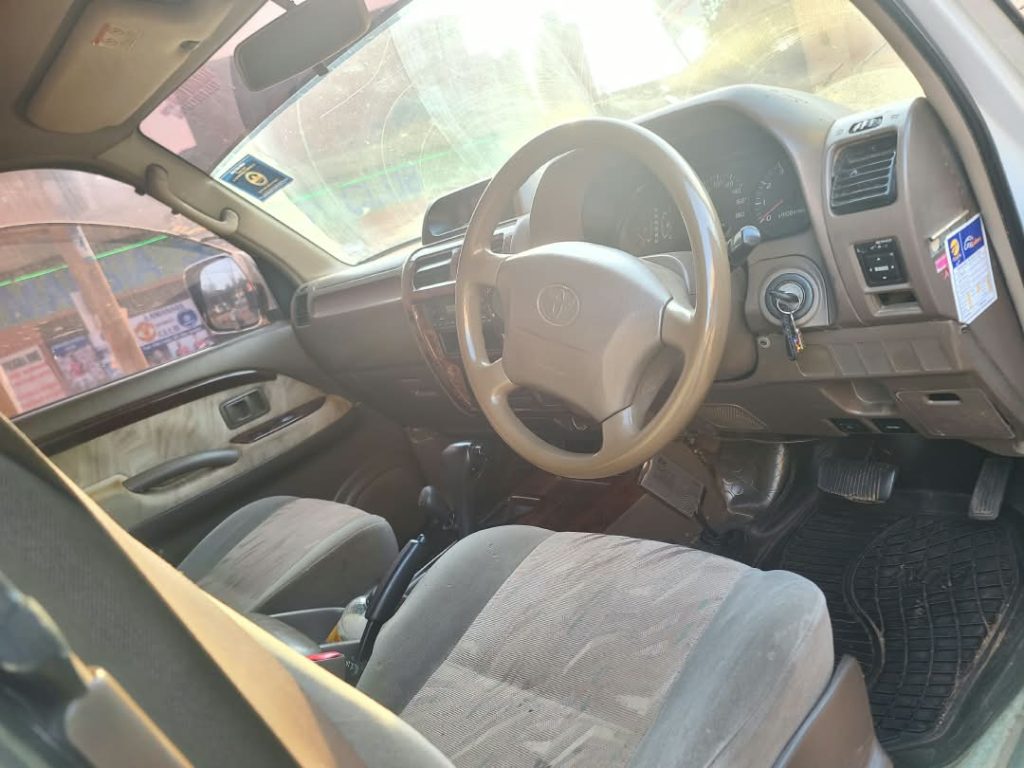 Now sit in the driver’s seat and switch on the vehicle. Take a clear photograph showing the odometer reading and dashboard. The odometer provides a record of the mileage at the beginning of your rental. At the same time, your photograph can help document the fuel gauge and dashboard warning lights.
Check that:
- The odometer is visible
- The fuel gauge is visible
- No unexplained warning lights remain illuminated
- The dashboard appears normal
- The speedometer and other gauges are functioning
If a warning light stays on after starting the engine, don’t simply assume it is harmless. Ask the rental company about it before setting off.
7. Photograph the Fuel Gauge
Fuel is another detail worth documenting. Take a clear picture of the fuel gauge before you leave the pickup point. Your rental agreement should explain the applicable fuel policy, so make sure you understand whether the vehicle should be returned with the same fuel level or according to another arrangement. A photo makes the starting fuel level easy to confirm later.
This can be particularly useful on longer Uganda self-drive safaris, where you may travel considerable distances between fuel stations. Before heading into remote areas, also ask your rental company about suitable fuel stops along your route.
8. Photograph the Interior and Boot
Your inspection should not stop at the outside of the car. Open the doors and take photographs of the interior, including:
- Front seats
- Rear seats
- Dashboard
- Centre console
- Floor mats
- Door panels
- Boot or luggage area
Look for existing stains, tears, scratches or other damage. If you have booked a cheap Uganda self drive rental car with camping equipment, photograph the camping gear and storage area as well. For a safari vehicle, you may also want to photograph items such as:
- Spare tyres
- Jack
- Wheel spanner
- Recovery equipment
- Camping chairs
- Tables
- Cooking equipment
- Rooftop tent
- Refrigerator or cooler, if included
The exact equipment depends on the vehicle and rental package, so use your booking confirmation as your checklist.
9. Photograph the Rental Documents and Included Equipment
Finally, photograph the important documents and the items supplied with your rental. Depending on the rental company and vehicle, this may include the rental agreement, vehicle inspection sheet, insurance information, vehicle documents and emergency-contact information. Don’t just photograph the paperwork—read it.
Confirm important details such as:
- Rental dates
- Return location
- Fuel policy
- Mileage conditions
- Insurance terms
- Permitted driving areas
- Breakdown assistance
- Cross-border requirements
- Additional equipment included
For a self-drive traveller, knowing whom to contact in case of a breakdown is just as important as knowing how to operate the vehicle.
Why These 9 Photos Matter on a Uganda Self-Drive Safari
Taking nine sets of photographs might sound like a lot when you are standing at the rental office with your bags packed and your safari about to begin. In reality, it can take only a few minutes.
The bigger benefit is peace of mind.
You have a visual record showing what the vehicle looked like when you received it. If there is ever a disagreement about an existing scratch, dent, fuel level or missing equipment, your photographs can help establish what was present at pickup. A thorough inspection also gives you an opportunity to identify a problem before you are hundreds of kilometres from Kampala.
For travellers planning a Uganda car rental for safari, this is particularly important because some routes take you into areas where finding immediate mechanical assistance may be more difficult. A basic inspection before departure can therefore be both a documentation exercise and a safety check.
Don’t Just Take Photos—Check the Vehicle
Photography is only one part of the pickup process. Before starting your Uganda self drive car rental, test the basic controls. Check the headlights, indicators, brake lights, windscreen wipers, seat belts, tyres and other essential systems. Rental-car inspection guidance also recommends checking existing damage and making sure any problems are reported before departure.
Ask the rental representative to explain anything you don’t understand.
If you have never driven the particular model before, take a few minutes to adjust:
- Driver’s seat
- Mirrors
- Steering position
- Headlights
- Wipers
- Air conditioning
- 4×4 controls, if applicable
- Fuel-cap release
- Boot or rear-door mechanism
Those few minutes can make your first few hours on Ugandan roads much more comfortable.
What to Do If You Find Damage
 Don’t panic if you discover scratches or dents. Rental vehicles naturally develop signs of use, especially vehicles that regularly travel on safari routes. The important thing is to document the damage before driving away.
Take clear photographs, show the rental representative and make sure the existing damage is recorded on the inspection sheet or rental agreement. If something appears serious—such as a damaged tyre, faulty brake, cracked windscreen or warning light—ask the rental company to resolve the issue before beginning your journey.
Start Your Uganda Adventure With Confidence
A cheap Uganda self drive does not mean you should skip basic preparation. Whether you are hiring an affordable Toyota RAV4 for a road trip or choosing a larger 4×4 for a Uganda wildlife safari, the same principle applies: inspect first, photograph everything important, then drive away with confidence.
Uganda is an incredible country for an independent road trip. From Kampala and Entebbe to Jinja, Fort Portal, Queen Elizabeth National Park, Bwindi, Lake Bunyonyi, Murchison Falls and Kidepo Valley, self-driving gives travellers the freedom to experience the country at their own rhythm. Your phone is already in your pocket. Spend a few minutes using its camera before turning the key.
Those nine photos could become some of the most useful pictures you take during your entire trip.