
Road Trips through stunning landscapes of the Pearl of Africa are something that almost
every nature and wildlife enthusiast looks forward to as a trip from the daily grind. The open
road, the guarantee of new safari experiences, the warm hospitality of the people, as well as
the sense of adventure, are all aspects of an unforgettable road trip experience. However,
going blindly and unprepared on a road trip can lead to roadblocks, headaches, and even
lead to dangerous territories, literally, without forward planning.
9 Things to know on A Road Trip in Uganda
If you are thinking of planning a road trip in Uganda soon, here are some of the things you
need to know for a smooth journey that will actually be fun. Nothing will break or make an
unforgettable adventure like a poor plan. Read on for some of the best things you need to
know while on your road trip in Uganda.
-
Check your safari vehicle
One of the worst situations that can happen on a long road trip is having a breakdown, and
being stranded can be a nerve-racking safari experience. This is worse if the safari
destination feels particularly unsafe, isolated, or deserted.
For this reason, it is advisable to first check your rental vehicle before embarking on the road
trip, as it can mean the difference between a quick fix and a stroke of luck on the open road.
Essential checks to make include spare keys, vehicle fluids (wipers, steering, brakes,
coolant, and oil), tyres, and whether the vehicle could use a tune-up.
2. Fill up the fuel tank before embarking on the road trip
 Filling up the fuel tank might sound like the most obvious thing before embarking on a road
trip in Uganda. However, you would be astonished how easy it is to overlook this amidst all
the preparations.
Based on our many years’ experience, we always advise travelers to start long road trips in
Uganda with full fuel tanks, just in case you get lost or can’t find any fuel stations, or simply
don’t recall to refill. Additionally, driving with a light fuel tank for a long period can cause
damage to the safari vehicle.
3. Plan your itinerary, safari pace, and include the must-do activities/destinations
Long road trips through Uganda involve several hours of driving, and planning is a must if
you want to have a successful one. At first, it might feel new and exhilarating, but when the
newness wears off, you might want to make sure you know what to do when the road starts
getting to you. The whole travel team needs to be on the same page about the itinerary and
safari pace. Would you like it to be a get-lost type of road trip, or will you be hitting must-see
safari destinations every single day?
To make the road trip more enjoyable, you can add new music choices and driving games,
as well as a good stretching routine, to the journey. Simple tourist activities can make the trip
more thrilling on the way to your final safari destination.
4. Draft the road trip budget
Another thing that goes a long way in having an unforgettable road trip experience in
Uganda is having a road trip budget. You need a budget for everything, from fuel, en-route
meals, accommodations, entry fees into tourist sites (Museums, National Parks, and Game
Reserves), and money for tourist activities (game drives, bush walks, Rhino tracking, and
many others).
Additionally, you need a budget for emergencies, as you never know, anything can happen,
and sometimes in unfamiliar locations. Remember that emergencies happen when we least
expect them, hence very important to know what to do if something comes up.
5. Documentation
When planning a road trip in Uganda, ensure that your official documents are in place. For
this reason, ensure that you have your Identification Card, registration, driving license, and
other important items.
6. Pack a roadside emergency kit
Regardless of the reason you are planning your road trip in Uganda, you are going to want
some sort of roadside emergency kit in your boot (or trunk). Some of the essentials include
work gloves, a car jack and lug wrench that can fit in the safari vehicle (without forgetting to
brush up on exactly how to use it to change your tire), jumper cables, paper towels, a
general first aid kit, warning triangle/reflective clothing so other drivers can see you
especially in darker conditions, a heavy-duty flashlight, and a Duct tape, among others.
7. Organize all accommodations/where you will stay before departing
As you can possibly tell, planning is the key to a smooth road trip experience in Uganda.
While you could play things by ear, planning where you will stay each night of the road trip is
advisable for proper structuring of the trip. For this reason, detailed planning, including
booking where to stay in advance, is advisable to ensure you have somewhere to sleep
each night of the road trip.
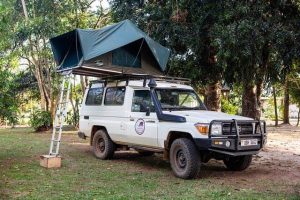
If it is rooftop tent camping, you will need to acquire the Camping equipment/gear in
advance, and if you need a proper Lodge/Hotel accommodation, you can start by searching
for all the options in the area.
8. Home check: Ensuring your home is in order
This doesn’t necessarily have to be with your actual road trip, but it is truly essential. The last
thing you want to do while you are enjoying your Uganda road trip is worrying about your
house, hence make sure everything is in order.
Ensure that the lights are turned off, appliances are unplugged, the doors and windows are
securely locked, food that is close to going bad is thrown away, trash is taken out, and a
trusted family or neighbor is informed about your forthcoming road trip. Be prepared to leave
your home for a while, knowing all is well there. We therefore advise doing due diligence and
double-checking everything before leaving the house.
9. Plan your rest stops
If you are planning a long road trip, you might need a place to rest, stretch your legs, and
refuel both you and your safari vehicle. Go through your Map and find the best places to stop
for a quick rest. For every place you stop, ensure that it has a fuel station, a place to eat, or
maybe even something quick and fun for you to do.