
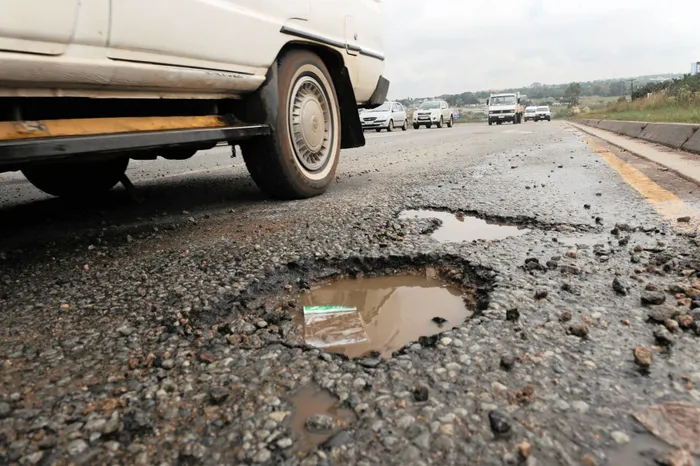
The Reality of Potholes and Speed Bumps on African Roads: What Every Self-Drive Traveller Should Know
Potholes and Speed Bumps on African Roads, Travelling through Africa by road is an experience filled with beautiful scenery, unexpected discoveries and unforgettable encounters. One moment you could be driving through a green countryside landscape, passing traditional villages and roadside markets; the next, you might find yourself slowing down for a deep pothole or an unexpected speed bump.
For visitors planning a self-drive safari in Uganda or a road trip across East Africa, understanding local road conditions is an important part of preparing for the journey. African roads vary considerably. Some major highways are paved and well maintained, while other routes include damaged asphalt, uneven surfaces, gravel sections and rural tracks that become difficult during rainy seasons.
Potholes and speed bumps are not necessarily reasons to avoid travelling by road. They are simply realities that drivers should understand before setting off. With the right vehicle, sensible driving habits and proper route planning, exploring Uganda and other East African destinations can still be a rewarding experience.
At Cheap Uganda Self Drive, we believe that a successful road trip starts with realistic expectations. Knowing what to expect on African roads helps travellers make better vehicle choices, drive more confidently and enjoy the journey without unnecessary surprises.
1. Why Are There So Many Potholes on African Roads? The Reality of Potholes and Speed Bumps on African Roads
Potholes are among the most familiar challenges encountered by drivers across several African countries. They can appear on busy highways, urban streets, village roads and even routes leading towards popular tourist destinations.
One major contributing factor is weather. Heavy rainfall allows water to enter small cracks in road surfaces. As vehicles continue passing over weakened sections, the road material gradually breaks apart, creating holes that can become deeper and wider.
Other contributing factors include:
- Heavy trucks and overloaded vehicles placing pressure on road surfaces.
- Ageing road infrastructure and delayed maintenance.
- Poor drainage systems that allow water to accumulate.
- Rapid growth in traffic without corresponding road improvements.
- Construction work and temporary diversions.
In Uganda, drivers may encounter potholes on sections of both urban and rural roads. Similar conditions can occur on selected routes in Kenya, Tanzania and other East African countries.
For visitors unfamiliar with the region, the most important lesson is to avoid assuming that every paved road will be smooth from beginning to end.
2. Speed Bumps: The Unexpected Obstacles Along African Roads#The Reality of Potholes and Speed Bumps on African Roads
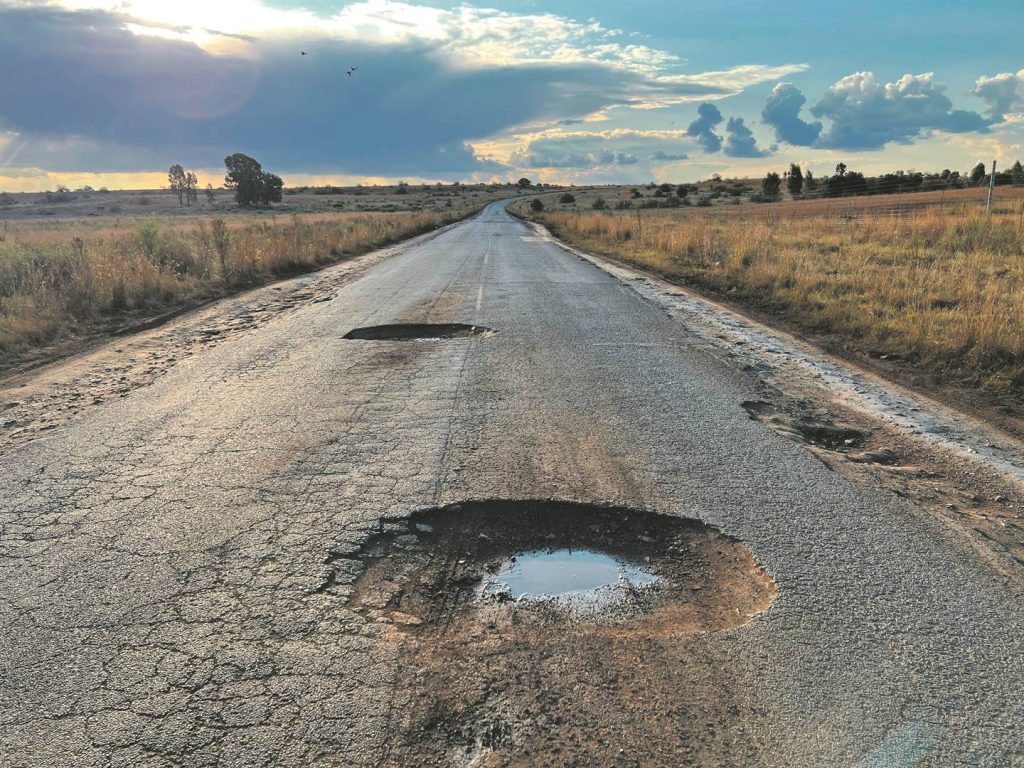 Speed bumps are another common feature of road travel in many African communities. They are designed to reduce vehicle speeds and improve pedestrian safety, particularly near schools, trading centres, residential areas and busy village roads.
However, not all speed bumps are constructed to the same standard. Some are clearly marked, while others may have faded road markings or limited warning signs. Certain bumps are relatively gentle, whereas others can be steep enough to catch an unfamiliar driver by surprise.
In Uganda, speed bumps are frequently encountered along roads passing through towns, market areas and populated settlements. Travellers driving through rural communities should remain alert even when there are no obvious warning signs.
A useful driving rule is simple: slow down whenever you approach a populated area. Watch the road surface, look for pedestrians and cyclists, and avoid accelerating simply because the road ahead appears clear.
Driving slowly over speed bumps helps protect the vehicle’s suspension, tyres, underbody and passengers from unnecessary impact.
3. Uganda’s Roads: What Should Self-Drive Travellers Expect?#The Reality of Potholes and Speed Bumps on African Roads
Uganda offers a remarkable variety of road-trip opportunities. Visitors can drive from Kampala towards Murchison Falls National Park, explore the western region around Queen Elizabeth National Park, travel towards Bwindi for gorilla trekking or venture northeast to Kidepo Valley National Park.
However, road conditions can change significantly between destinations.
Major roads connecting larger towns are generally paved, although maintenance conditions vary by section. Roads approaching some national parks, lodges and remote communities may include gravel, murram, uneven surfaces and sections affected by rain.
For example:
- Kampala to Murchison Falls: The main journey uses established paved routes, but access roads and some sections near the park may require additional care.
- Kampala to Queen Elizabeth National Park: Travellers should expect a mixture of major paved roads and potentially rougher access roads depending on the destination and accommodation.
- Kampala to Bwindi Impenetrable National Park: Mountainous terrain, winding roads and changing surface conditions make careful driving particularly important.
- Kampala to Kidepo Valley National Park: This is a longer journey through northeastern Uganda, requiring advance planning for fuel, rest stops and changing road conditions.
- Kampala to Lake Mburo National Park: The main highway is a popular route, but traffic, roadworks and access conditions still require attention.
These routes demonstrate why choosing a suitable vehicle is important. A vehicle that performs comfortably on city roads may not always be the best option for remote safari destinations.
4. Kenya, Tanzania and Rwanda: Road Conditions Across East Africa
Road conditions are not unique to Uganda. Travellers exploring the wider East African region may encounter similar challenges, although conditions differ between countries and individual routes.
Kenya: Major highways connect Nairobi with destinations such as the Maasai Mara region, Amboseli, Naivasha and the coast. While many main roads are paved, some rural and safari access routes include rough surfaces, gravel and uneven sections.
Tanzania: Long-distance journeys towards Arusha, Serengeti and other safari destinations require careful preparation. Some park access routes and remote roads can be challenging, especially after rainfall.
Rwanda: The country has many paved roads connecting its principal towns and attractions. However, its hilly terrain means travellers should expect winding roads, steep gradients and careful driving, particularly in rural areas.
For visitors planning a multi-country East Africa self-drive safari, it is important to understand that a vehicle suitable for one country or route may not automatically be appropriate for every destination. Always confirm vehicle permissions, insurance, border documentation and road suitability before crossing international borders.
5. Why Choosing the Right 4×4 Rental Vehicle Matters
 One of the most important decisions when planning a self-drive safari in Africa is selecting the right vehicle.
A standard saloon car may be suitable for urban journeys and some well-maintained highways, but it may not be ideal for rough rural roads, steep access routes or certain safari destinations.
A suitable 4×4 vehicle provides several advantages:
Better ground clearance: Higher ground clearance can help reduce the risk of the vehicle’s underside striking rocks, uneven surfaces or raised road sections.
Improved traction: Four-wheel drive can provide additional traction on slippery, muddy or loose surfaces when used appropriately.
Greater flexibility: A capable 4×4 gives travellers more options when selecting routes and visiting remote destinations.
Comfort on challenging roads: Appropriate suspension, tyres and vehicle design can make longer journeys more manageable.
Camping and safari convenience: Vehicles equipped with rooftop tents and camping accessories can offer additional flexibility for travellers planning outdoor holidays.
At Cheap Uganda Self Drive, travellers can enquire about suitable 4×4 rental vehicles for different routes and travel requirements. The best choice depends on the number of passengers, luggage, destinations, road conditions and budget.
Remember that even a strong 4×4 cannot make every road safe. Good driving judgement remains essential.
6. Practical Tips for Driving Safely Around Potholes
Encountering potholes is sometimes unavoidable, but the way you respond can make a significant difference.
Here are some practical tips for travellers driving in Uganda and across East Africa:
- Reduce your speed: Slow down when approaching damaged road sections. High speeds increase the risk of tyre damage, suspension problems and loss of control.
- Maintain a safe following distance: Avoid driving too closely behind large vehicles, as they can block your view of potholes.
- Watch for standing water: A puddle may conceal a deep pothole. Never assume that water-covered road sections are shallow.
- Avoid sudden steering: Abruptly swerving to avoid a pothole can be more dangerous than slowing down and passing safely.
- Check your tyres regularly: Correct tyre pressure and good tyre condition are particularly important on rough roads.
- Use appropriate driving techniques: Select a suitable gear and maintain controlled speeds on rough or uneven terrain.
- Avoid night driving on unfamiliar roads: Poor lighting can make potholes, pedestrians and unmarked speed bumps difficult to see.
If a road section appears unsafe, stop at a safe location and assess the situation rather than attempting to force your way through.
7. How to Protect Your Rental Vehicle on Rough African Roads
 A self-drive holiday should be enjoyable, and looking after your rental vehicle is part of making that possible.
Before collecting your vehicle, inspect the tyres, spare wheel, lights, brakes, suspension condition and basic emergency equipment. Ask the rental company about roadside assistance, mechanical support and the procedure to follow if the vehicle develops a problem.
During the journey, avoid overloading the vehicle, drive carefully over raised surfaces and do not attempt to cross deep water or muddy sections unless the route has been assessed as safe.
After travelling on particularly rough roads, check for visible tyre damage and any unusual noises or changes in vehicle performance.
It is also important to understand the rental agreement. Insurance coverage, excess amounts, exclusions and responsibilities for tyre or underbody damage can differ between providers.
At Cheap Uganda Self Drive, travellers are encouraged to discuss their intended destinations before booking so that the vehicle can be selected according to the journey rather than simply the rental price.
8. Is Self-Driving in Africa Still Worth It?
Absolutely. Despite the challenges associated with potholes, speed bumps and changing road conditions, independent road travel remains one of the most rewarding ways to discover East Africa.
A self-drive journey gives travellers the freedom to explore destinations at their own pace, spend additional time at places they enjoy and experience local communities beyond the usual tourist routes.
You can combine wildlife viewing in Murchison Falls, gorilla trekking in Bwindi, scenic drives through western Uganda and cultural experiences along the way.
With appropriate preparation, realistic driving schedules and a suitable rental vehicle, the challenges of African roads become manageable parts of the adventure.
Conclusion: Expect the Unexpected, Enjoy the Journey
Potholes and speed bumps are part of the driving reality in many parts of Africa. They may occasionally slow down your journey, require extra attention or encourage you to take a different route. However, they should not discourage you from discovering the region by road.
The secret is to travel prepared, choose the right vehicle, respect local driving conditions and never underestimate the importance of patience.
Whether you are planning a Uganda self-drive safari, a Kenya road trip, a journey through Tanzania or a wider East African adventure, the road offers experiences that cannot always be found in a conventional travel itinerary.
Planning your next African road trip? Contact Cheap Uganda Self Drive to enquire about affordable 4×4 car rental options, suitable safari vehicles and self-drive arrangements across Uganda and the wider East African region.
Because the best adventures are not always found on perfect roads. Sometimes, they begin just beyond the next pothole.