
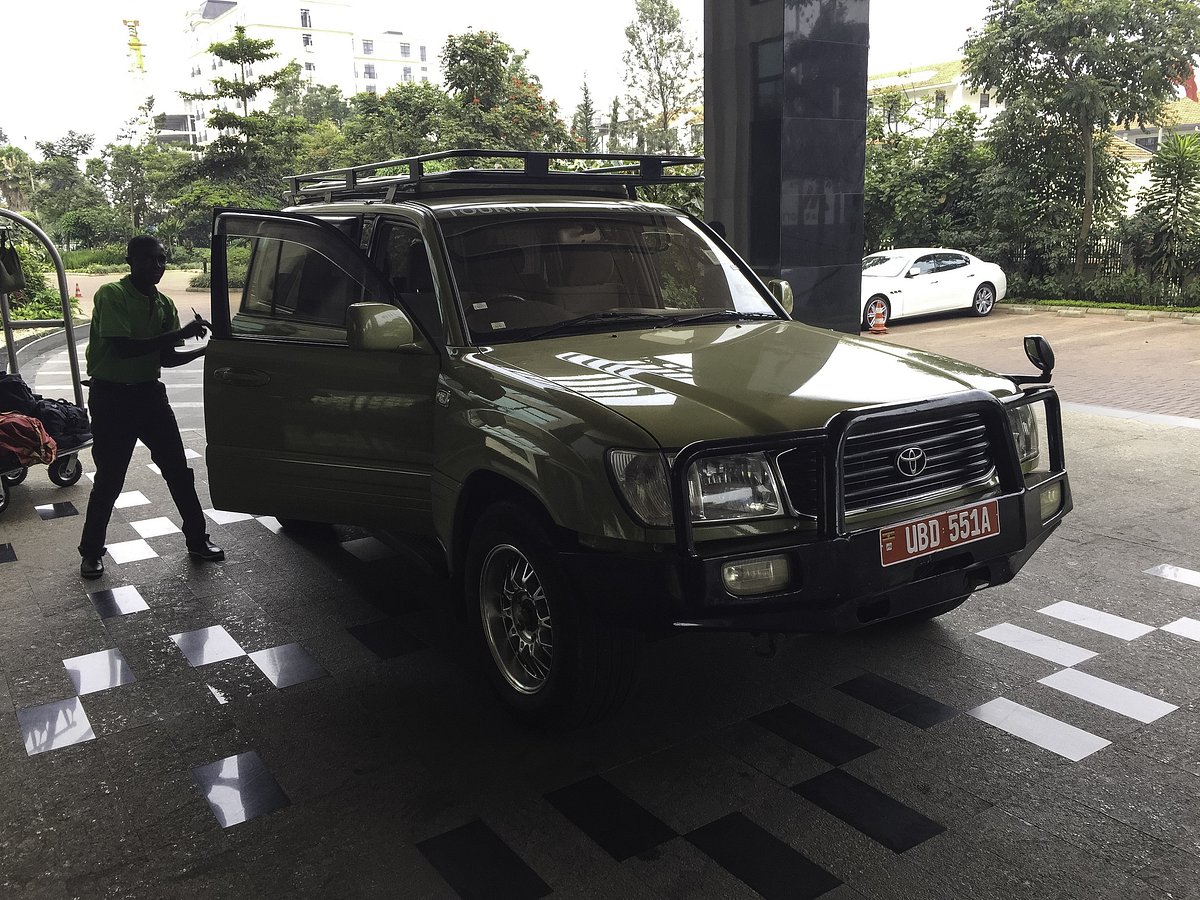
Is It Safe to Drive at Night in Uganda? A Traveler’s Guide
Is It Safe to Drive at Night in Uganda? A Traveler’s Guide, Uganda is one of East Africa’s most rewarding countries to explore by road. From Kampala and Entebbe to Murchison Falls, Queen Elizabeth National Park, Bwindi, Fort Portal and Jinja, driving gives travelers the freedom to experience the country at their own pace. But one question raised among many travelers hiring a car in Uganda ask this question: Is it safe to drive at night in Uganda?
The short answer is that night driving in Uganda requires considerably more caution than daytime driving, particularly outside Kampala and other major towns. Uganda’s roads can be busy, poorly lit or unpredictable after dark, while pedestrians, cyclists, motorcycles, livestock and vehicles without adequate lighting can be difficult to see and most especially the heavy trucks which often travel during night.
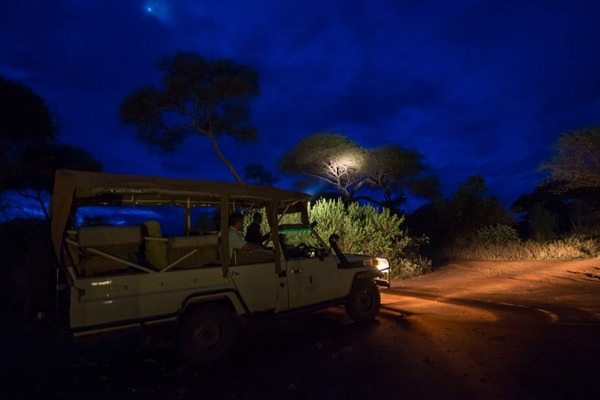 The UK Foreign, Commonwealth & Development Office currently advises travelers to avoid driving outside major towns after dark, except on the Kampala–Entebbe route. The U.S. State Department also advises avoiding nighttime travel whenever possible because of road-safety risks and the uganda would life also advise tourists to avoid driving in national parks after 7pm as this may put their lives and that of animals in danger.
That does not mean you need to cancel a self-drive adventure. It means planning your driving hours carefully can make your Uganda road trip much more comfortable and predictable with the time frame.
Why Is Driving at Night in Uganda More Difficult?-Is It Safe to Drive at Night in Uganda? A Traveler’s Guide
The biggest challenge is not simply darkness. It is the combination of several factors that become harder to manage after sunset. On rural roads, street lighting may be limited or completely absent. You may encounter pedestrians walking along or across the road, cyclists, boda-bodas, animals and vehicles with limited or no visible lighting.
Some roads also have potholes, uneven surfaces, sharp bends and unexpected obstacles. During rainy periods, water can cover potholes or reduce visibility even further so all, these makes driving at night very risky and difficult to many occasions .
The FCDO specifically warns that other road users may drive without lights at night and that livestock can wander onto roads. It also notes that road travel can be hazardous outside major cities. For a traveler who does not know Uganda’s roads, these conditions can make a journey much more demanding after dark.
Is It Safe to Drive in Kampala at Night?- Is It Safe to Drive at Night in Uganda? A Traveler’s Guide
Driving in Kampala at night is different from driving on a remote rural road.
Kampala remains busy after sunset, with cars, taxis, motorcycles, pedestrians and commercial activity continuing into the evening. The main challenge is often traffic rather than darkness alone.
If you need to travel within Kampala at night, use extra caution, keep the doors locked in busy areas and avoid unnecessary stopping in isolated locations. The FCDO advises keeping vehicle doors locked and windows closed when driving in towns.
For travelers collecting or returning a rental car, it is generally better to organize your arrival, hotel transfer and vehicle pickup so that you do not begin a long unfamiliar journey late at night.
What About Driving From Entebbe Airport to Kampala at Night?
The Kampala–Entebbe route is one of the more practical roads for travelers arriving after dark, but normal nighttime precautions still apply. If your flight lands late, you do not necessarily need to begin a long self-drive journey immediately. Consider your accommodation, fatigue, traffic and the distance you still need to covers so in this senario if you arrive very late at Entebbe consider booking the accommodation within the Entebbe and start afresh in the morning after refreshing.
For international visitors, fatigue can be an overlooked risk. After a long flight, unfamiliar roads and left-side driving can require more concentration than expected.
If you are hiring a car in Uganda for self-drive, arranging your first overnight stay in Entebbe or Kampala can allow you to begin your longer road trip in daylight the following morning.
Why Night Driving Is Riskier on Uganda’s Highways
Long-distance highways connect Kampala with destinations such as Jinja, Masaka, Mbarara, Fort Portal and other parts of the country. During the day, you generally have much more time to identify hazards and react to changing road conditions. At night, visibility becomes the major issue.
You may suddenly encounter:
- Pedestrians walking beside the road
- Boda-bodas without highly visible lighting
- Cyclists
- Slow-moving trucks
- Vehicles stopped on the roadside
- Livestock crossing the road
- Potholes and damaged road surfaces
- Oncoming vehicles with bright headlights
- Unexpected overtaking
- Heavy rain and reduced visibility
The U.S. State Department reports that pedestrians often walk in roads and may be difficult for motorists to see, while road conditions in rural areas can be poor. This is why experienced Uganda self-drive travelers generally plan longer journeys so they can reach their destination before darkness.
Is Night Driving Safe on Safari Roads?
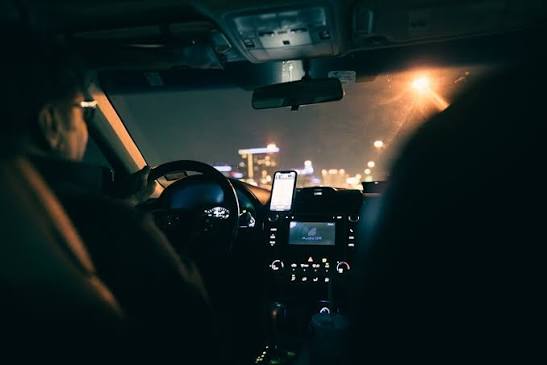 Safari roads require a slightly different approach. Inside a national park or conservancy, a short evening drive may sometimes be part of a planned activity, particularly where the park, conservancy or accommodation permits it. However, this should not be confused with driving several hours along a public highway at night. Safari tracks can be uneven, narrow and difficult to navigate. Wildlife can also be present close to or on the road. In addition, a mechanical problem in a remote area after dark can be much harder to resolve.
For this reason, always follow the rules of the particular national park, conservancy, campsite or lodge you are visiting. If you are using a 4×4 rental car in Uganda, the vehicle should be suitable for the terrain, but having a capable vehicle does not eliminate the need for careful nighttime driving.
What Time Should You Stop Driving in Uganda?
There is no single universal time that applies to every road and every traveler. A better approach is to plan your itinerary around daylight. For example, instead of leaving Kampala in the afternoon for a destination several hours away, start early in the morning. This gives you additional time in case of traffic, roadworks, stops, weather or slower-than-expected driving.
This is especially important when traveling to safari destinations such as:
- Murchison Falls National Park
- Queen Elizabeth National Park
- Bwindi Impenetrable National Park
- Kibale National Park
- Lake Mburo National Park
- Kidepo Valley National Park
- Semuliki National Park
For a Uganda self-drive safari, arriving at your accommodation before dark is generally much easier than trying to find a lodge, campsite or park entrance at night.
8 Practical Tips for Safe Self-Driving in Uganda
1. Start Long Journeys Early
Early departures are one of the simplest ways to reduce your need for nighttime driving. If your destination is several hours away, leave enough time for fuel stops, meals, photographs and unexpected delays.
2. Avoid Rushing Before Dark
Do not increase your speed simply because sunset is approaching. If you are delayed, prioritize safe driving rather than trying to make up lost time.
3. Slow Down When Visibility Is Poor
A posted speed limit is not a target. Rain, fog, pedestrians, animals and road conditions may require you to drive considerably slower.
4. Keep Your Lights and Tyres in Good Condition
Before leaving for a self-drive safari, check headlights, brake lights, indicators, tyres and the spare tyre. A reliable 4×4 rental Uganda vehicle should also have appropriate recovery equipment for the type of journey planned.
5. Refuel Before Remote Sections
Do not wait until the fuel warning light comes on before looking for a fuel station. On long Uganda road trips, keep enough fuel for the next section of your journey, particularly when heading toward remote safari areas.
6. Avoid Fatigue
Driving after a long day of sightseeing can be dangerous even if it is still technically daylight. If you are tired, stop at your accommodation rather than continuing simply to reach the next destination.
7. Keep Emergency Contacts Available
Before leaving, save your rental company’s emergency number, accommodation contact and any relevant local emergency contacts. Uganda’s emergency services can be reached on 999 according to the FCDO.
8. Ask Your Rental Company About the Route
A good Uganda car rental company should be able to advise you about road conditions, realistic driving times, fuel availability and suitable overnight stops. Local knowledge can be particularly valuable when planning routes to national parks.
What Should You Do If You Are Delayed and Darkness Falls?
Sometimes night driving is unavoidable. A road trip can take longer than expected because of traffic, rain, roadworks, a puncture or an unexpected delay. If this happens, do not panic.
First, assess where you are and whether continuing is reasonable. If you are close to your destination and the road is familiar and suitable, proceed carefully. If you are still far from your destination on an unfamiliar rural road, consider stopping at a suitable accommodation option rather than pushing on for several hours and if you hired a car with your accommodation (roof top tent) you can find a safer near lodge or hotel and sleep in your roof to tent car there and start afresh in the following morning to your next destination..
The objective is not to complete every journey exactly according to the original timetable. The objective is to arrive safely.
Is Uganda Safe for a Self-Drive Safari?
 Yes, travelers do take self-drive trips through Uganda, but preparation matters.A self-drive safari in Uganda is very different from driving around a familiar city at home. Distances can be longer than they appear on a map, road surfaces vary considerably, and some destinations are remote. Choosing an appropriate vehicle, understanding the route, allowing sufficient time and avoiding unnecessary night driving can make the experience much easier.
For visitors planning a Uganda road trip, daylight should be treated as an important part of the itinerary—not something to think about only after the sun goes down.
For a Uganda self-drive safari, good planning is just as important as having a capable 4×4.
Uganda is best experienced without rushing. Take your time, respect the road, drive according to the conditions and let daylight work in your favor.