+256 776 641 554 info@cheapugandaselfdrive.com

15 Tips for Driving in National Parks

 15 Tips for Driving in National Parks on Car Rental Safari Uganda

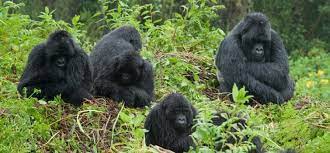
15 Tips for Driving in National Parks on Car Rental Safari are guidelines on how to drive in National Parks . Instructions to follow to enjoy Car Rental Safaris in our varying National Parks at Bwindi Impenetrable National Park & Mgahinga National Park where you trek the Mountain Gorillas, Murchison Falls National Park, Lake Mburo National Park where you watch many wildlife animals.

Driving in a national park can be a unique and exciting experience, but it comes with its own set of rules and safety considerations to protect both you and the wildlife. Whether you’re on a safari in Africa or exploring a national park elsewhere, here are some important driving tips to follow:

  1. Observe Speed Limits

    National parks often have posted speed limits that are lower than typical road speed limits. These limits are in place to ensure the safety of wildlife and visitors. Adhere to these speed limits at all times.

  2. Stay on Designated Roads

    Stick to established roads and trails. Off-roading can harm the environment, damage fragile ecosystems, and disturb wildlife. Only venture off-road if you have the proper permits and are in designated off-road areas.

  3. Respect Wildlife

    "Keep

  4. Avoid Flash Photography

    Some animals are sensitive to bright lights, so avoid using flash photography when taking pictures of wildlife, especially at night.

  5. Maintain a Quiet Environment

    Keep noise levels to a minimum. This helps preserve the tranquility of the park and prevents disturbing animals and other visitors.

  6. Yield to Wildlife

    If an animal is crossing the road, yield the right of way and wait patiently until it has safely crossed. Do not try to force animals off the road.

  7. Use Wildlife Corridors

    Many national parks have designated wildlife corridors or crossing zones. Be aware of these areas and slow down when approaching them.

  8. Respect Park Closures

    Some areas of national parks may be closed seasonally or temporarily for ecological restoration or wildlife protection. Observe all park closures and restrictions.

  9. Secure Your Belongings

    Keep all food, trash, and scented items securely stored in your vehicle to avoid attracting wildlife, such as bears or raccoons. Dispose of trash properly in designated receptacles.

  10. Be Prepared

    Carry essential supplies such as water, food, a first aid kit, and a basic toolkit. In remote areas, it may take some time for help to arrive in case of an emergency.

  11. Follow Park Regulations

    Familiarize yourself with the specific rules and regulations of the national park you are visiting. These can vary from park to park.

  12. Keep Your Vehicle in Good Condition

    Ensure your vehicle is well-maintained, with working brakes, lights, and tires. A breakdown in a remote area can be challenging.

  13. Be Mindful of the Environment

    Avoid disturbing plants, rocks, and other natural features. Leave no trace by packing out all trash and adhering to the principles of Leave No Trace ethics.

  14. Check Weather Conditions

    Weather conditions can change rapidly in some national parks. Be prepared for sudden changes in temperature, visibility, and road conditions.

  15. Plan Ahead

    Before entering the park, research the park’s attractions, trails, and any closures. Share your itinerary with someone outside the park, so they know your plans.

By following these driving tips, you can ensure a safe and respectful experience while enjoying the beauty and wildlife of national parks. Remember that the primary goal is to protect these natural spaces for future generations to enjoy.